The cold comes first. Before you see anything, before you read the station's name on the freshly painted sign, the cold finds you — a May evening cold, not the brutal, declarative cold of January, but something more insidious: the cold of a night that has not yet decided whether to become summer. It seeps through the new glass of the waiting room, through the renovated walls still smelling of emulsion paint and institutional ambition. I pull my jacket tighter and watch.
The platform is empty.
Not the emptiness of a station between trains — something more absolute, more settled. The emptiness of a terminus. This is the end of the line, in the most literal administrative sense: a provincial town in the north of Moldova, a town whose railway exists because someone, decades ago, signed a decree. The track stops here. Beyond the buffers, there is only field and the darkening sky above the plain.
The station has been renovated. This must be said, because in Romania it is not a trivial matter. The walls are the colour of a governmental idea about cheerfulness — pale yellow, the yellow of cheap margarine. The floor tiles are large and white and still clean, which means the renovation is recent. The ceiling lights are LED, and they hum slightly, that modern hum which is not quite sound and not quite silence but which occupies the room like a low-grade anxiety. There is NO mural painted on the eastern wall: a locomotive, hills, and something meant to be optimistic, rendered in the municipality's colors. It's not ugly. Effort DOES move you, if you let it.
I sit on a bench and wait for something to happen.

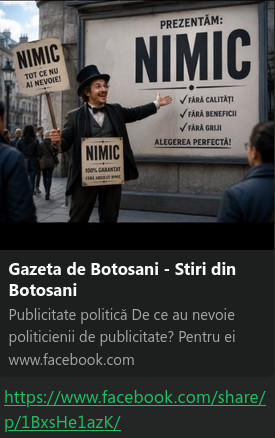



 There is a comfortable illusion that lives inside most people who publish on the web: that a well-written text will, by the force of its own clarity, be understood. That if you say something true and say it plainly, the world — including the world of machines — will grasp it. I lived inside that illusion for a while myself, writing, publishing, waiting. Until I understood that machines do not read. They process.